
Call us now :08045805108
 Send Inquiry
 Send Inquiry
Ceramic Fiber Wool
Price 210 INR/ Kilograms
MOQ : 100 Kilograms
Ceramic Fiber Wool Specification
- Feature
- Lightweight, low thermal conductivity, chemical stability, sound absorption, easy to handle
- Size
- Loose bulk, customizable packaging
- Surface Treatment
- None / Untreated
- Density
- 64 Gram per cubic centimeter(g/cm3)
- Thermal Conductivity
- 0.03-0.16 W/mK (as per application temperature)
- Layer
- Single or can be layered as per requirement
- Installation Guideline
- Place manually by hand or with blowing equipment; use proper safety equipment for dust
- Product Type
- Ceramic Fiber Wool
- Material
- Ceramic Fiber
- Tensile Strength
- Not specified (fiber structure, generally low tensile strength)
- Width
- As required / Customizable
- Thickness
- As required / Customizable
- Application
- Thermal insulation, refractory lining, high temperature insulation, furnace insulation
- Heat Conductivity
- Low (approx. 0.03-0.16 W/mK depending on temperature)
- Color
- White
- Max Withstanding Temperature
- Up to 1260C to 1425C (varies by grade)
- Health & Safety
- Use dust mask and gloves during installation to avoid irritation
- Moisture Content
- <1%
- Shrinkage (at max temp)
- Less than 4% at 1260C
- Packaging
- Plastic bags or carton boxes
- Melting Point
- Above 1760C
- Fiber Diameter
- 2-5 microns
- Non Combustibility
- Yes
- Chemical Stability
- Excellent against most chemicals except hydrofluoric and phosphoric acids, and strong alkalis
- Corrosion Resistance
- High
- Sound Absorption
- Good
- pH Value
- Neutral
- Specific Heat Capacity
- ~1.05 kJ/kgK
Ceramic Fiber Wool Trade Information
- Minimum Order Quantity
- 100 Kilograms
- Payment Terms
- Telegraphic Transfer (T/T), Cash in Advance (CID)
- Supply Ability
- 10000 Kilograms Per Month
- Delivery Time
- 4 Week
- Sample Available
- Yes
- Sample Policy
- Free samples available with shipping and taxes paid by the buyer
- Packaging Details
- HDPE BAGS
- Main Domestic Market
- All India
- Certifications
- ISO 9001:2015
Ceramic Fiber Wool About
Ceramic Fiber Wool is made particularly for insulating intricate forms and services while exposed to extreme hot gas velocities. For temperatures up to 1500 degrees Celsius, this kind of wool is often used as insulation. As a result, this Ceramic Fiber Wool finds usage in a number of industries, including glassware, concrete, forge, steel, iron and steel, petroleum and natural gas, and fertilizers. Its flexibility and light weight make it incredibly beneficial for loose filling difficult-to-fill but essential spaces and regions as well as for repairing existing insulation at a low cost.
Outstanding Thermal Resistance
Ceramic Fiber Wool withstands temperatures up to 1425C, making it a preferred choice for applications involving extreme heat, such as furnace lining and refractory systems. Its low thermal conductivity ensures effective thermal insulation and energy savings.
Safe, Simple Installation
Designed for convenience, this wool can be easily installed by hand or with blowing equipment. To ensure health and safety, it's recommended to wear gloves and a dust mask to prevent irritation during installation.
Reliable Chemical Stability
With excellent resistance to most chemicals except hydrofluoric and phosphoric acids and strong alkalis, Ceramic Fiber Wool remains stable in challenging environments, providing longevity and consistent performance without corroding or degrading.
FAQ's of Ceramic Fiber Wool:
Q: How should Ceramic Fiber Wool be safely installed?
A: Ceramic Fiber Wool can be installed manually or with blowing equipment. For health and safety, always use gloves and a dust mask during installation to prevent irritation from airborne fibers.Q: What are the main benefits of using Ceramic Fiber Wool for thermal insulation?
A: The primary benefits include high thermal resistance (withstanding up to 1425C), excellent chemical stability, low thermal conductivity, lightweight structure, good sound absorption, and ease of handling and installation.Q: When is Ceramic Fiber Wool recommended for use?
A: Ceramic Fiber Wool is ideal for high temperature insulation applications such as refractory lining, furnace insulation, and environments requiring efficient thermal and acoustic insulation.Q: Where can Ceramic Fiber Wool be effectively used?
A: It is widely used in industrial settings including furnaces, kilns, boilers, and anywhere high-performance insulation is required. It can also be layered or customized in width and thickness to suit specific needs.Q: What is the process for packaging and delivery of Ceramic Fiber Wool?
A: This product is available in loose bulk and can be packaged in plastic bags or carton boxes as per customer requirements, ensuring safe and hassle-free transportation and storage.Q: Is Ceramic Fiber Wool resistant to chemical corrosion?
A: Yes, it offers high corrosion resistance and excellent chemical stability when exposed to most chemicals, except for hydrofluoric and phosphoric acids and strong alkalis.Q: How does Ceramic Fiber Wool contribute to sound absorption?
A: Thanks to its fibrous structure, Ceramic Fiber Wool provides good sound absorption, making it valuable where both thermal and acoustic insulation are needed.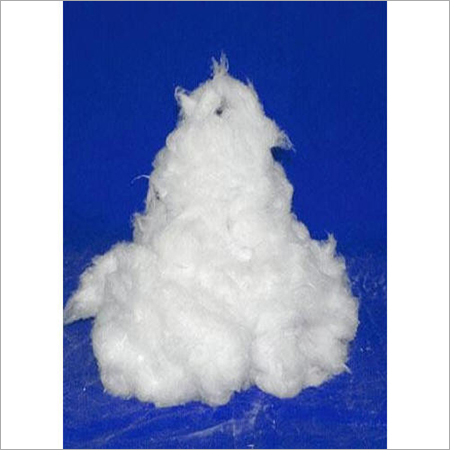
Tell us about your requirement

Price:
Quantity
Select Unit
- 50
- 100
- 200
- 250
- 500
- 1000+
Additional detail
Mobile number
Email

More Products in Ceramic Fiber Bulk Category
Ceramic Fiber
Price 150 INR / Kilograms
Minimum Order Quantity : 100 Kilograms
Application : Textile Industry
Shelf Life : 12 Months
Usage : High Temperature expansion joint seal & Temporary repair of insulation.
Physical Form : Solid

 Send Inquiry
Our Products

B/30, M.P. Shah Industrial Estate, Saru Section Road,Jamnagar - 361002, Gujarat, India

Mr. Paras
(Proprietor)
Mobile :08045805108
 Send Inquiry
 Send SMS
Developed and Managed by Infocom Network Private Limited.
 English
 Spanish
 French
 German
 Italian
 Chinese (Simplified)
 Japanese
 Korean
 Arabic
 Portuguese