Call us now :08045805108
 Send Inquiry
 Send Inquiry
Carbon Molecular Sieves
Price 2250.0 INR/ Kilograms
MOQ : 100 Kilograms
Carbon Molecular Sieves Specification
- Taste
- Odorless
- Form
- Solid
- Smell
- Other
- Storage
- Shades
- Type
- Carbon Molecular Sieves
- Application
- Nuclear, Oil Industry, Industrial, Pharmaceutical, medicine
Carbon Molecular Sieves Trade Information
- Minimum Order Quantity
- 100 Kilograms
- Payment Terms
- Telegraphic Transfer (T/T)
- Supply Ability
- 5000 Kilograms Per Month
- Delivery Time
- 4 Week
- Main Export Market(s)
- Asia, Australia, Central America, North America, South America, Eastern Europe, Western Europe, Middle East, Africa
Carbon Molecular Sieves About
Carbon molecular sieves (CMS) are solid carbon materials characterized by their well-defined pore structures and uniform pore sizes. They are typically produced by carbonizing certain organic precursors, followed by activation to enhance their porosity. The resulting CMS possess microporous structures with specific pore sizes that enable efficient separation of gas molecules based on their kinetic diameter and adsorption properties.
FAQ :
Q: What are the primary applications of carbon molecular sieves?
A: Carbon molecular sieves find applications in various gas separation processes, such as nitrogen generation, oxygen enrichment, hydrogen purification, and the removal of volatile organic compounds (VOCs). They are widely used in industries such as petrochemical, chemical, and environmental for gas separation and purification.
Q: How do carbon molecular sieves separate gas molecules?
A: Carbon molecular sieves separate gas molecules based on their size and adsorption properties. Smaller gas molecules can penetrate the microporous structure and are preferentially adsorbed, while larger molecules are excluded or adsorbed to a lesser extent. This selective adsorption allows for the separation and purification of gases.
Q: What are the advantages of using carbon molecular sieves?
A: Carbon molecular sieves offer several advantages, including high selectivity, high adsorption capacity, and excellent regeneration properties. They can selectively adsorb specific gas molecules while allowing others to pass through, leading to efficient separation processes.
Q: Can carbon molecular sieves be customized for specific applications?
A: Yes, the properties of carbon molecular sieves, such as pore size and surface chemistry, can be tailored through adjustments in the carbonization and activation processes. This customization allows for the optimization of CMS materials to meet the specific requirements of different gas separation applications.
Q: Are carbon molecular sieves reusable?
A: Yes, carbon molecular sieves are typically regenerable and can be reused multiple times. Depending on the adsorbed gases and the specific CMS material, regeneration methods such as temperature swing adsorption (TSA) or pressure swing adsorption (PSA) can be employed to restore their adsorption capacity.
Advanced Gas Separation
Carbon Molecular Sieves are engineered to selectively adsorb molecules based on their size, making them crucial for applications such as nitrogen generation and purification. Their reliable performance supports demanding sectors where purity and efficiency are non-negotiable.
Versatile Industry Applications
These sieves find utility in nuclear plants, the oil industry, pharmaceuticals, and medicine due to their robust adsorption capacity. Their solid state and stability ensure safe and long-lasting use across both industrial and healthcare environments.
FAQ's of Carbon Molecular Sieves:
Q: How are carbon molecular sieves utilized in various industries?
A: Carbon molecular sieves are primarily used for gas separation and purification. In the nuclear and oil industries, they help in isolating specific gases, while in pharmaceutical and medical fields, they support high-purity processes required for sensitive products.Q: What is the process of using carbon molecular sieves for gas separation?
A: The process involves passing a gas mixture through the carbon molecular sieve material, which selectively adsorbs certain gases based on molecular size. This enables efficient separation of gases, such as nitrogen from air, with high purity levels.Q: When should carbon molecular sieves be replaced or serviced?
A: They should be replaced when the adsorption efficiency drops, indicated by lower purity in the output gas. Usage conditions, gas composition, and operational hours determine replacement intervals, typically assessed through performance monitoring.Q: Where should carbon molecular sieves be stored for optimal longevity?
A: CMS should be stored in shaded, dry environments to prevent moisture and light exposure, which may impair their adsorption characteristics and overall shelf life.Q: What are the main benefits of using carbon molecular sieves?
A: The primary advantages include high selectivity for gas molecules, robust solid form, odorless composition, and versatility across nuclear, medical, oil, and industrial sectors. These factors contribute to improved process efficiency and product quality.Q: How does an exporter, manufacturer, or supplier in India ensure product quality for CMS?
A: Quality is maintained through rigorous testing, adherence to industry standards, and controlled manufacturing processes to guarantee consistent performance for domestic and international clients.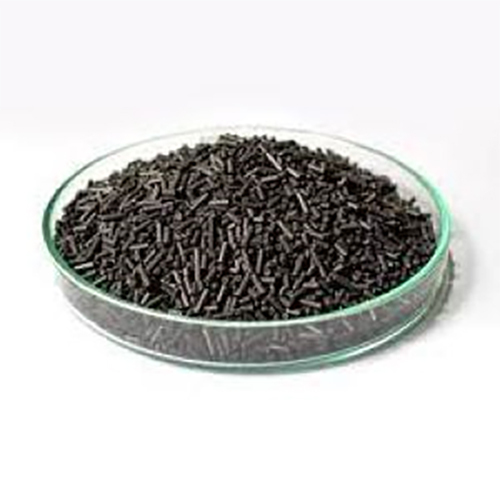
Tell us about your requirement

Price:
Quantity
Select Unit
- 50
- 100
- 200
- 250
- 500
- 1000+
Additional detail
Mobile number
Email

More Products in Carbon Molecular Sieves Category
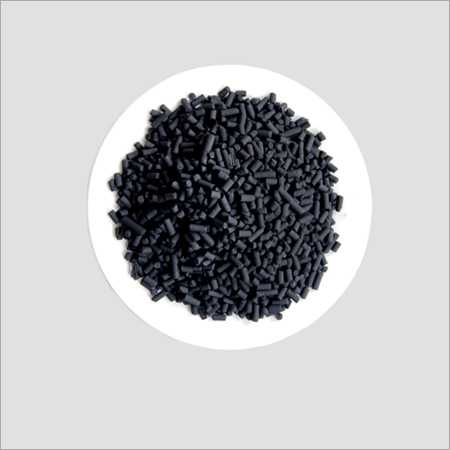
Black Carbon Molecular Sieves
Price 875 INR / Kilograms
Minimum Order Quantity : 100 Kilograms
Form : Solid
Material : Carbon
Product Type : Black Carbon Molecular Sieves
Grade : Electron Grade

 Send Inquiry
Our Products

B/30, M.P. Shah Industrial Estate, Saru Section Road,Jamnagar - 361002, Gujarat, India

Mr. Paras
(Proprietor)
Mobile :08045805108
 Send Inquiry
 Send SMS
 Call Me Free
Developed and Managed by Infocom Network Private Limited.
 English
 Spanish
 French
 German
 Italian
 Chinese (Simplified)
 Japanese
 Korean
 Arabic
 Portuguese